A Quick Start Guide to Heating Options Without Natural Gas

When Natural Gas Isn't an Option: What Kitsap County Homeowners Need to Know
How lack of natural gas affects your heating options is one of the most practical questions homeowners on the Kitsap and Jefferson County peninsulas face. Unlike much of urban America — where roughly 45% of homes connect directly to a utility gas line — many properties in our region simply don't have that access. Rural roads, coastal terrain, and aging infrastructure mean that a large share of local homes were built without natural gas hookups, and many still rely on outdated heating oil systems that are becoming harder to justify.
Here's a quick look at how limited or no natural gas access shapes your heating choices:
| Situation | Most Practical Alternative |
|---|---|
| No gas line to the property | Electric heat pump or ductless mini-split |
| Existing heating oil system | Convert to electric heat pump or propane |
| Want gas appliances (range, fireplace) | On-site propane with professional gas piping |
| Rural or off-grid property | Propane, heat pump, or a combination of both |
| Concerned about supply reliability | Heat pump (runs on electricity, no fuel delivery needed) |
The good news is that modern alternatives — particularly electric heat pumps — are exceptionally well-suited to the Pacific Northwest's mild, marine climate. Western Washington winters rarely push heat pumps to their limits the way a Minnesota cold snap would. That means local homeowners can transition away from gas or oil dependence without sacrificing comfort, and often while significantly lowering their energy consumption.
This guide walks you through every major heating alternative available to Kitsap and Jefferson County homeowners, what to consider before making a change, and how to build a system that keeps your home warm and efficient for decades to come.

Common how lack of natural gas affects your heating options vocab:
- Best HVAC setup for the Olympic and Kitsap Peninsula
- How Kitsap Peninsula climate affects your home systems
How Lack of Natural Gas Affects Your Heating Options in Western Washington
When you live in beautiful coastal and rural communities like Kingston, Hansville, or Seabeck, the natural landscape is breathtaking, but it comes with unique utility realities. The physical expansion of natural gas pipelines is incredibly expensive and logistically challenging, especially when crossing waterways, navigating rocky terrain, or extending into low-density rural neighborhoods. Consequently, municipal natural gas infrastructure is highly localized, leaving large swaths of Kitsap and Jefferson Counties off the grid entirely.
For local homeowners, understanding how lack of natural gas affects your heating options means recognizing that you aren't forced to rely on inefficient, outdated technology. Decades ago, if you lived outside the municipal gas grid, your choices were essentially limited to burning heating oil, hauling wood, or watching your electric bill skyrocket from baseboard heaters.
Today, the landscape is entirely different. Modern off-grid and electric systems offer superior comfort and control. When evaluating how to heat your home without a gas line, we must look at both delivered fuel alternatives like propane and advanced electric systems like air-source heat pumps. Each option has distinct installation requirements, fuel delivery logistics, and long-term efficiency profiles.
Understanding Your Heating Options in Rural Kitsap County
For properties in rural areas like Port Ludlow, Port Hadlock, or Belfair, the lack of a utility gas line makes on-site fuel storage or electric heating a necessity. If you prefer the rapid, high-temperature heat of a combustion system but lack utility pipeline access, propane is the most versatile solution.
Propane functions similarly to natural gas but is stored on your property in an above-ground or underground tank. Because propane can be delivered directly to your home by local suppliers, it serves as an excellent foundation for central heating. Furthermore, propane is highly versatile; you can run your central furnace, hot water heater, fireplace, and kitchen range off a single fuel source.
If you are planning to transition your home's energy infrastructure, it is critical to work with professionals who understand local regulations and safe gas piping practices. For example, converting your home from an old oil tank to a clean propane system is a highly popular option, particularly for properties on Bainbridge Island. You can learn more about this specific transition in our guide on Oil to Propane Conversion on Bainbridge Island.
To explore the broader range of off-grid and delivered-fuel heating methods, you can read about Alternatives to Natural Gas Heating for Rural Homes. This resource highlights how rural properties balance fuel deliveries with supplemental heating options to maintain reliable indoor temperatures all winter long.
Moving Away from Outdated Heating Oil Systems
Historically, heating oil was the go-to alternative for homes built off the natural gas grid. In fact, roughly 4% of American households still use heating oil, mostly concentrated in older homes. However, heating oil has several significant drawbacks for modern Western Washington homeowners:
- Price Volatility: Heating oil prices fluctuate wildly based on global oil markets, making winter utility budgeting highly unpredictable.
- Delivery Logistics: You must constantly monitor your tank levels and schedule truck deliveries, which can be challenging during severe winter storms.
- Environmental Risks: Aging oil tanks, especially those buried underground, pose a severe risk of soil and water contamination if they leak.
- High Maintenance: Oil burners produce more soot and combustion byproducts than other systems, requiring frequent cleanings and professional maintenance to operate safely.

Because of these challenges, homeowners in communities like Poulsbo, Bremerton, and Port Townsend are actively replacing their oil furnaces with modern, all-electric systems. Transitioning away from fossil fuel combustion on your property eliminates carbon monoxide risks, removes the threat of oil leaks, and ends your reliance on fuel delivery trucks. If you are ready to ditch the oil tank for good, check out our comprehensive overview of the Oil to Electric Conversion process.
Transitioning to Highly Efficient Electric Heat Pumps
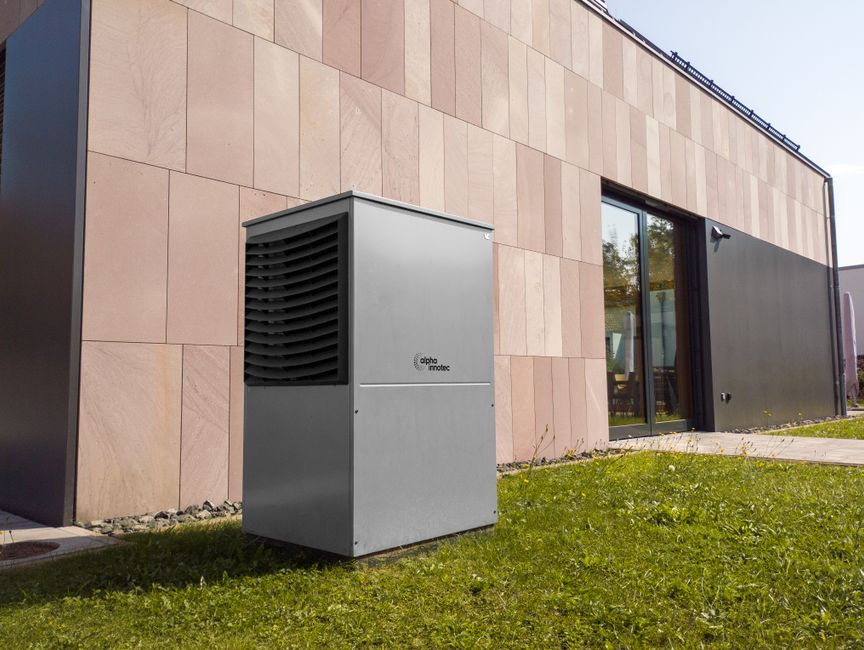
If you want to completely bypass the logistics of delivered fuels, electric heat pumps are the gold standard. In 2024, data showed that 42% of U.S. households utilized electricity as their primary space heating fuel, compared to 47% using natural gas. This gap is closing rapidly as heat pump technology advances.
Unlike traditional furnaces that burn fuel to create heat, a heat pump works like a refrigerator in reverse. It uses electricity and specialized refrigerant to extract ambient heat from the outside air and transfer it directly into your home. Because they move heat rather than creating it, heat pumps are incredibly efficient, often delivering three to four times more heat energy than the electrical energy they consume.
For homeowners looking to replace an expensive, high-maintenance oil furnace with a clean, modern system, the benefits are immediate. You can read about the long-term advantages of this transition in our article detailing the Benefits of Converting from Oil to a Heat Pump.
Heat Pump Performance in Western Washington Winters
A common myth is that heat pumps only work in warm climates. While it is true that extreme sub-zero temperatures can challenge older heat pump models, modern cold-climate heat pumps perform exceptionally well down to freezing and below.
Fortunately, our local climate in Kitsap and Jefferson Counties is uniquely suited for heat pumps. Thanks to the moderating influence of the Puget Sound, our winter temperatures rarely stay below freezing for extended periods. This means a heat pump can operate in its maximum efficiency range almost all winter long.
Furthermore, if your home does not have existing ductwork — which is common in older homes throughout Port Townsend, Gig Harbor, and Indianola — you can utilize a ductless mini-split system. Mini-splits consist of a quiet outdoor compressor connected to one or more elegant indoor air handlers mounted on your walls or ceilings. This allows for precise, room-by-room zoned heating, ensuring you only heat the spaces you are actually using.
When comparing your options, heat pumps offer a massive comfort upgrade over traditional combustion systems. To see how these systems stack up directly against gas options, read our detailed breakdown on Heat Pump Advantages Over Gas Furnaces.
Comparing Electric Heat Pumps to Traditional Systems
When evaluating how lack of natural gas affects your heating options, it is easy to confuse heat pumps with traditional electric resistance heating, such as baseboard heaters or electric furnaces. While both run on electricity, their operating costs and performance are night and day.
Electric resistance heaters convert electric current directly into heat at a 1:1 ratio. This means for every watt of electricity consumed, you get exactly one watt of heat. A heat pump, by contrast, can achieve efficiencies of 300% to 400% because it simply relocates existing outdoor heat. This dramatic difference in energy consumption can lead to substantial savings on your monthly winter utility bills.
To help you visualize these differences, let's look at how heat pumps compare to older oil systems in our Oil Heat vs. Heat Pump Comparison.
It is also worth noting that even traditional gas systems have a hidden dependency on the electrical grid. Many homeowners assume that a gas furnace will keep their home warm during a winter power outage. However, as detailed in Nearly 47% of American homes heat with natural gas and most owners assume a gas furnace keeps running when the grid goes dark, but a single electric component buried inside every modern unit cuts the heat in a winter outage, modern gas furnaces require between 300 and 1,000 watts of electricity to run their blower motors, electronic ignitions, and control circuit boards. If the power grid goes down, your gas furnace goes down with it.
For a broader look at how different systems operate in various home styles, check out our guide on Comparing Heating System Options. Additionally, you can read about the baseline requirements of boiler systems in Can Your Boiler Work Without Gas? What You Need - iHeat, or explore localized heating strategies in Heating Solutions for Homes and Buildings Without Gas or Central Heating - Toyotomi to better understand how to structure your backup heating plans during winter storms.
Planning for Long-Term Reliability and Efficiency
Investing in a new heating system is one of the most important decisions you will make for your home. To ensure your new heat pump or propane system operates at peak performance for its entire lifespan, regular professional maintenance is essential.
At Eagle Pipe Mechanical, we offer our exclusive Eagle's Nest Maintenance Plan. Designed specifically for homeowners on the peninsula, this plan includes comprehensive 37-point inspections, priority customer status, and discounts on repairs. Regular maintenance not only keeps your system running efficiently, but it also validates manufacturer warranties and helps prevent unexpected breakdowns during cold winter nights.
We also believe that upgrading your home's comfort should be stress-free. That is why we provide flexible financing options through Synchrony, allowing you to budget your project with convenient monthly payments that fit your lifestyle.
Frequently Asked Questions About Alternative Heating
What is the most efficient alternative to natural gas heating in Kitsap County?
The most efficient alternative to natural gas in our region is an electric heat pump or ductless mini-split system. Because the Pacific Northwest has a mild marine climate, heat pumps can extract outdoor heat with incredible efficiency, often reducing energy consumption compared to traditional electric resistance baseboards or older oil furnaces. When installed by NATE-certified professionals, a heat pump provides highly consistent, zoned comfort while keeping your carbon footprint minimal.
Can I convert my home from heating oil to an electric heat pump?
Yes! Converting from heating oil to an electric heat pump is a highly popular and straightforward process. The transition typically involves safely decommissioning and removing your old oil tank, removing the oil furnace, and installing a highly efficient heat pump system. If your home has existing ductwork in good condition, we can often retrofit a central heat pump directly to it. If your home lacks ducts, a ductless mini-split system is the perfect solution to provide quiet, customized comfort in every room.
How does a lack of natural gas affect my heating options if I still want gas appliances?
A lack of municipal natural gas does not mean you have to give up the benefits of gas cooking, cozy fireplaces, or rapid clothes drying. By installing an on-site propane tank and professional gas piping, you can run all of these appliances safely and reliably. Many homeowners in our service areas choose a hybrid approach: they install a highly efficient electric heat pump for their primary heating and cooling, and pair it with a propane gas line to power their kitchen cooktop, fireplace insert, and outdoor barbecue.
Conclusion
Navigating how lack of natural gas affects your heating options doesn't have to be overwhelming. Whether you are looking to convert an outdated oil furnace, install a custom propane gas line, or transition to a state-of-the-art ductless heat pump, having the right local partner makes all the difference.
Eagle Pipe Mechanical is a 100% women-owned and operated HVAC and plumbing contractor with over 45 years of industry experience. We are proud to serve families across Kitsap and Jefferson Counties, including Poulsbo, Bainbridge Island, Silverdale, Port Townsend, Kingston, and the surrounding communities. Holding federal and state certifications, a City of Seattle Mechanic's license, and EPA and NATE certifications, our dedicated team is committed to delivering honest, efficient, and personalized solutions to optimize your home's energy efficiency.
Ready to explore your heating options? More info about our service areas is just a click away. Contact us today to schedule a consultation and take the first step toward a warmer, more efficient home!
CUSTOMER TESTIMONIALS
Our customers’ experiences say more than we ever could. See how Eagle Pipe Heating & Air has earned trust across the Pacific Northwest with reliable service and lasting results.