Tips & Advice
The Ultimate Guide to What Causes Low Water Pressure in a Home on the Kitsap Peninsula

Discover what causes low water pressure in a home on the Kitsap Peninsula and learn proven fixes from local plumbing experts.
Why Low Water Pressure Is a Real Problem for Kitsap Peninsula Homeowners
What causes low water pressure in a home on the Kitsap Peninsula is one of the most common plumbing questions we hear from homeowners across Bremerton, Silverdale, Port Orchard, and beyond — and for good reason. A weak trickle from the shower or a slow-filling dishwasher is more than just annoying. It can signal a deeper issue with your pipes, your pressure regulator, or even the municipal supply feeding your neighborhood.
The most common causes of low water pressure in a Kitsap Peninsula home include:
- Corroded or clogged pipes — especially galvanized steel pipes in homes built before the 1980s
- A partially closed main shutoff valve or water meter valve
- A failing pressure-reducing valve (PRV)
- Hidden leaks draining pressure before water reaches your fixtures
- Mineral and sediment buildup inside pipes and fixture aerators
- Elevation differences — water pressure drops approximately 0.433 psi for every foot of elevation gain
- Shared municipal water lines experiencing high demand from neighboring properties
- Undersized branch lines that restrict flow even when supply pressure is normal
- Municipal supply issues such as water main breaks or peak-hour demand drops
Normal home water pressure sits between 30 and 80 psi. Most Kitsap homes run comfortably at 40 to 45 psi. If yours is falling short of that, something in the system — inside your home or upstream of it — is working against you.
The Kitsap Peninsula brings its own set of challenges: aging housing stock, mineral-bearing groundwater, hilly terrain, Pacific Northwest soil movement, and a mix of municipal and private well systems. These local factors mean diagnosing low pressure here isn’t always as simple as tightening a valve.
This guide walks through every major cause, how to spot it, and what to do about it — so you can stop guessing and start fixing.
Common Culprits: What Causes Low Water Pressure in a Home on the Kitsap Peninsula?
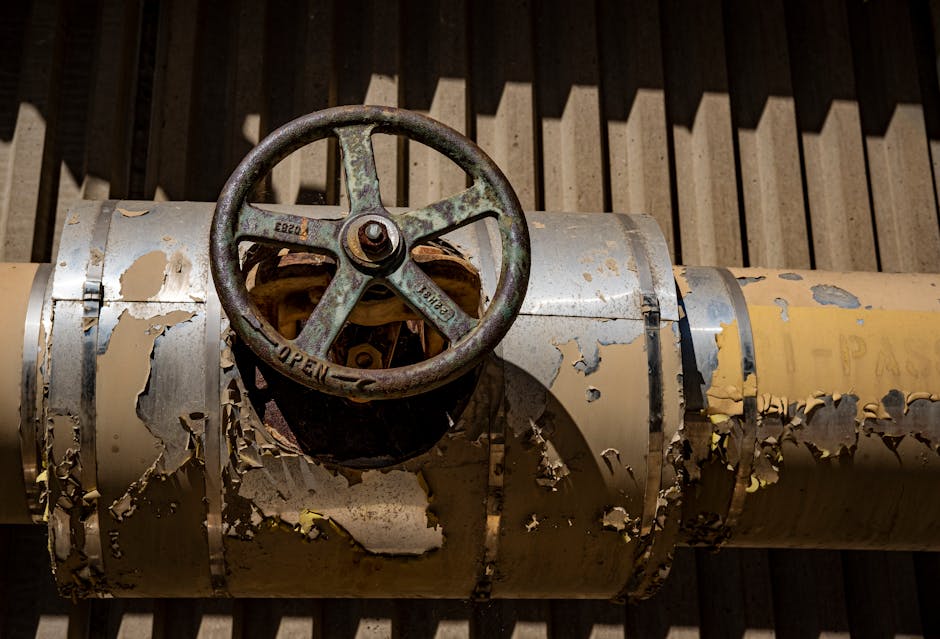
When we investigate what causes low water pressure in a home on the Kitsap Peninsula, we often start by looking at the age of the home. In many of our historic neighborhoods in Bremerton or Port Orchard, the plumbing materials themselves are the primary bottleneck.
Pipe corrosion is a major factor. If your home was built more than 40 years ago, it is significantly more prone to pressure issues due to natural deterioration. Specifically, galvanized steel pipes—common in homes built before the 1970s—are notorious for rusting from the inside out. While the exterior might look solid, the interior diameter of the pipe slowly narrows as rust and mineral scale accumulate. These pipes generally start to show significant restriction after about 20 years.
In contrast, copper pipes typically last over 50 years, and brass pipes can remain functional for 40 to 70 years. However, even these high-quality materials aren’t immune to the effects of time and local water chemistry. If you are noticing a steady decline in flow across all fixtures, it’s often a sign that your plumbing system is reaching the end of its service life. If the issue is localized, you might just need help fixing low sink water pressure by addressing a specific branch line or aerator.
According to industry research on low water pressure, clogged pipes are the leading reason for a permanent, non-fluctuating drop in pressure.
How Kitsap Water Quality Impacts What Causes Low Water Pressure in a Home on the Kitsap Peninsula
Kitsap County is known for its beautiful natural surroundings, but the local geology also impacts our water. Minerals dissolve into our water supply as it moves through soil and rock formations. This results in moderately hard water in many parts of Washington, which can lead to significant mineral buildup.
Calcium and magnesium deposits, often called “scale,” can coat the inside of your pipes and fixtures. This is particularly problematic in water heaters. Sediment buildup in your water heater doesn’t just reduce the volume of hot water available; it can also create a physical barrier that restricts the pressure of the hot water leaving the tank. You can learn more about how these minerals enter the water system from the Kitsap Public Utility District.
Faulty Pressure Regulators and Shutoff Valves
Sometimes, the cause isn’t a clog, but a mechanical failure. Most homes on the Kitsap Peninsula are equipped with a Pressure Reducing Valve (PRV). This device is designed to take high-pressure municipal water (which can exceed 100 psi) and “step it down” to a safe level for your home, usually between 40 and 60 psi.
When a PRV fails, it can go one of two ways: it can allow too much pressure through (risking damage to your fixtures) or it can fail in a “closed” position, causing a sudden and dramatic drop in pressure throughout the entire house.
Similarly, check your shutoff valves. If you’ve recently had work done on your home, a plumber or technician might have partially closed the main shutoff valve or the water meter valve. Even a valve that is 10% closed can cause a noticeable drop in flow during peak usage. For those in the city limits, the Bremerton Water Pressure Fact Sheet provides excellent guidance on how these valves and regulators should be managed.
Local Environmental and Municipal Factors in Kitsap County
Geography plays a larger role in your shower quality than you might think. Because water systems often rely on gravity-fed towers, your home’s elevation relative to the water source is critical. On the Kitsap Peninsula, with our rolling hills and coastal bluffs, elevation changes are constant.
Water pressure changes at a rate of 0.433 psi per foot of elevation. This means if your home is perched high on a hill in Seabeck or on Baker Hill in Bainbridge Island, you will naturally have lower pressure than your neighbors at sea level.
Shared water lines are another local factor. In some older Kitsap neighborhoods, a single “service lateral” might be shared between two or three properties. When your neighbor turns on their irrigation system at 7:00 AM, your shower pressure will plummet. This is a classic example of municipal water pressure fluctuations caused by peak demand.
Municipal Supply vs. Private Well Issues
How you get your water determines how you troubleshoot it. If you are on a municipal system, like those managed by the City of Bremerton or Kitsap PUD (KPUD), a sudden drop in pressure might be due to a water main break or city maintenance. If you suspect a leak near the street, it’s important to know who is responsible for the repair—generally, the utility handles everything up to the meter, while the homeowner is responsible for the line from the meter to the house.
For our neighbors in more rural areas like Hansville or South Kitsap who rely on private wells, low pressure is often a sign of a failing well pump or a clogged well filter. Sediment from the well can quickly overwhelm standard home filters, leading to a slow decline in pressure.
Neighborhood Infrastructure and Branch Lines
In rapidly growing areas like Silverdale or Kingston, new developments sometimes put a strain on existing infrastructure. Furthermore, the internal “branch lines” in your home—the smaller pipes that lead to individual sinks or bathrooms—might be undersized for modern demands. If your home was built in an era before high-flow multi-head showers and large soaking tubs, your water lines simply might not be large enough to carry the volume of water you need.
Troubleshooting: Identifying What Causes Low Water Pressure in a Home on the Kitsap Peninsula
Before you assume the worst, we recommend a systematic approach to diagnosis.
| Symptom | Likely Cause | Fix |
|---|---|---|
| Low pressure at one faucet | Clogged aerator or fixture | Clean or replace aerator |
| Low pressure in the whole house | Main valve or PRV issue | Check valves; test PRV |
| Low pressure only on hot water | Water heater sediment | Flush water heater |
| Sudden drop in pressure | Pipe leak or main break | Inspect for leaks; call utility |
| Pressure drops when neighbor uses water | Shared service line | Install booster pump |
A great first step is to buy a simple pressure gauge from a local hardware store. Attach it to an outdoor hose spigot—which usually bypasses the PRV—to see what the “raw” pressure coming into your property is. Then, test an indoor faucet. If the outside is 80 psi and the inside is 20 psi, you know the problem is inside your walls. For more detailed steps, the Portland.gov water troubleshooting guide offers a universal diagnostic framework that works perfectly for our Kitsap climate.
Fixture-Specific vs. Whole-Home Issues
If only your kitchen sink is acting up, the problem is likely a clogged aerator. These small screens catch the minerals and sediment we discussed earlier. Simply unscrewing the aerator and soaking it in vinegar can often restore flow.
However, if you have a tankless water heater, you might experience low water pressure in tankless systems if the unit’s internal filter is clogged or if the unit is undersized for the number of fixtures running simultaneously.
Detecting Hidden Leaks and Pipe Damage
The EPA reports that 10% of homes have leaks that waste 90 or more gallons of water per day. A leak of this size doesn’t just waste water; it siphons off the pressure intended for your faucets. In the Pacific Northwest, our heavy rains and shifting soils can put immense stress on underground main lines, leading to cracks that are difficult to see from the surface.
If you notice unexplained soggy patches in your yard or a sudden spike in your utility bill, you likely have a hidden leak affecting your pressure.
When to Consider Whole-Home Repiping for Persistent Issues
If your home was built between 1978 and 1995, you might have polybutylene pipes—a gray plastic material known for failing suddenly and causing significant damage. For these homes, or for those with ancient, rusted galvanized steel, the only permanent solution for what causes low water pressure in a home on the Kitsap Peninsula is a whole-home repipe.
Repiping involves replacing all the old, narrow, or corroded supply lines in your home with modern materials. This is often the most cost-effective long-term solution because it eliminates the need for constant spot repairs and restores the “like-new” pressure you’ve been missing.
Benefits of Upgrading to PEX or Copper
Today, we primarily use PEX (cross-linked polyethylene) for repiping. PEX is highly flexible, making it easier to install in the tight crawlspaces and attics found in many Kitsap homes. Most importantly for our region, PEX is freeze-resistant, meaning it can expand if the water inside freezes during a cold snap, reducing the risk of a burst pipe.
Upgrading your system can also increase your home’s value and provide peace of mind for decades. A modern PEX system has an expected lifespan of 50+ years. If you’ve noticed signs of water heater sediment or discolored water, these are often indicators that the entire system is ready for an upgrade.
Professional Solutions and Maintenance for Kitsap Homeowners
At Eagle Pipe Mechanical, we understand the unique plumbing landscape of the Kitsap Peninsula. As a 100% women-owned and operated business with over 45 years of experience, we’ve seen everything from the historic bungalows of Bremerton to the modern estates of Bainbridge Island.
We believe in proactive care. Our Eagle’s Nest maintenance plan includes 37-point inspections that can catch a failing PRV or a small leak before it turns into a low-pressure nightmare. We also offer financing options through Synchrony to make necessary upgrades more accessible.
When to Call a Licensed Plumber
While cleaning an aerator is a great DIY task, other issues require a professional touch. You should call us if:
- You suspect a PRV failure: Adjusting or replacing a pressure regulator requires specific tools and calibration.
- You have a leak in the main line: Trenchless technology can often repair these lines without destroying your landscaping.
- Your pressure is low only on hot water: This could indicate a dangerous pressure buildup or significant sediment in your water heater.
- You have galvanized or polybutylene pipes: These are “ticking time bombs” that should be evaluated by an expert.
Regular maintenance is key. Check our water heater service guide to see how often your system needs professional eyes to maintain peak performance.
Frequently Asked Questions about Kitsap Water Pressure
Why is my water pressure lower in the morning?
This is usually due to “peak demand.” Between 6:00 AM and 8:00 AM, thousands of residents on the Kitsap Peninsula are showering, running dishwashers, and watering lawns. If you are on a shared municipal line or have undersized branch lines, this surge in usage across the neighborhood can cause your available pressure to dip.
Can a failing water heater cause low pressure?
Yes. If only your hot water pressure is low, the culprit is almost certainly your water heater. Sediment buildup at the bottom of the tank or inside the intake/outtake valves can severely restrict flow. This is also a common issue with tankless water heaters that haven’t been descaled recently.
Does Kitsap County require a pressure-reducing valve (PRV)?
The Uniform Plumbing Code, which is followed throughout Kitsap County, generally requires a PRV if the municipal supply pressure exceeds 80 psi. Because many areas in Bremerton and Silverdale have very high street pressure to account for elevation changes, most homes in our area do have—and require—a functioning PRV.
Conclusion
Understanding what causes low water pressure in a home on the Kitsap Peninsula is the first step toward restoring comfort to your daily routine. Whether the issue is a simple mineral-clogged aerator or a more complex problem like aging galvanized pipes or a failing PRV, there is always a solution.
At Eagle Pipe Mechanical, we are dedicated to providing honest, efficient, and personable solutions for our neighbors from Poulsbo to Gig Harbor and everywhere in between. Don’t settle for a weak shower or a dishwasher that takes all night to run.
Schedule your professional plumbing evaluation today and let us help you get your water flowing at full strength again.
Keep reading
Related articles.
Ready when you are
Need a tech who answers back?
Same-week scheduling across Kitsap and Jefferson County. Honest quotes, no pressure.